Why Skilled Nursing Therapy Outperforms Home-Based Rehab for Complex Recoveries
- Feb 14
- 7 min read
After a serious illness, surgery, or injury, choosing the right place for recovery can make a big difference in how well you heal.
While recovering at home might seem more comfortable, skilled nursing professionals in Myrtle Beach often provide better care for people with complex medical needs who require close monitoring and specialized treatment.
Key Takeaways
Skilled nursing facilities offer structured therapy programs with professional supervision
Nurses are available 24 hours a day to handle medical problems right away
Professional equipment and safety features help prevent accidents during recovery
Teams of doctors, nurses, and therapists work together on your care plan
Family members can focus on emotional support instead of complex medical tasks
Patients receive consistent care in controlled medical environments
Complex Recovery Needs Today
Many patients need specialized care after leaving the hospital. They may need:
Daily wound care and dressing changes
Multiple medications given at specific times
Help regaining strength and movement
Speech therapy for communication problems
Occupational therapy for daily tasks
Monitoring for complications or infections
These complex needs require skilled nursing care that includes wound care, medication management, and rehabilitation therapy from licensed professionals.
Modern healthcare has led to people surviving more serious medical events, but this also means recovery is often more complicated.
Patients may have multiple health conditions at the same time, take several medications that interact with each other, or have weakened immune systems that make infections more likely.
Different Levels of Care Intensity
Recovery programs vary in how much therapy they provide. Inpatient rehabilitation hospitals offer at least three hours of therapy daily, five days per week.
Skilled nursing facilities typically provide one to two hours of daily therapy. The timing and consistency of therapy can affect recovery outcomes.
Home-based programs often face challenges with consistency due to scheduling problems, weather delays, or transportation issues that can interrupt the recovery process.
Benefits of Skilled Nursing Facilities in Myrtle Beach, SC

Around-the-Clock Medical Care
In skilled nursing facilities, registered nurses work on-site 24 hours daily with better nurse-to-patient ratios than most home settings. This means:
Someone trained can respond quickly if problems occur
Medication schedules stay on track
Vital signs get checked regularly
Small issues get addressed before they become bigger problems
Night coverage is important because many medical changes happen during sleeping hours.
At home, family members may not notice changes in breathing, confusion, or other warning signs.
In skilled nursing facilities, trained staff monitor patients throughout the night.
Emergency response is another key advantage. If someone has a medical problem at home, it might take time to get help. In a skilled facility, help is available immediately.
Complete Therapy Programs
Rehabilitation and therapy in Myrtle Beach nursing home facilities offer advantages that homes typically cannot match:
Equipment Access:
Parallel bars for walking practice
Standing frames for balance training
Exercise machines designed for recovery
Safety mats and support systems
Specialized wheelchairs and mobility aids
Therapeutic equipment for different conditions
Team Approach:
Physical therapists for strength and movement
Occupational therapists for daily life skills
Speech therapists for swallowing and talking
Social workers for discharge planning
Dietitians for nutrition planning
Medical staff for ongoing health monitoring
Daily Structure:
Morning medical checks
Scheduled therapy sessions
Proper medication timing
Evening care routines
Regular progress evaluations
Family education sessions
The equipment available in skilled nursing facilities requires special training to use safely and may not be practical for most home settings.
Working Together for Better Results
Skilled nursing care works because different specialists coordinate their efforts. The care team includes:
Medical Staff:
Registered nurses for complex medical needs
Licensed practical nurses for daily care
Nursing assistants for personal help
Medical directors who oversee treatment
Consulting physicians for specialized care
Therapy Specialists:
Physical therapists who work on movement
Occupational therapists who help with daily tasks
Speech therapists who address communication issues
Respiratory therapists for breathing problems when needed
This team approach helps ensure all parts of recovery get proper attention. Team members meet regularly to discuss each patient's progress and adjust care plans as needed.
Short-Term Rehab Myrtle Beach Programs

Short-term rehabilitation programs focus on helping patients return to their best functional level as safely and quickly as possible. The goal is getting people ready to go home or to a less intensive care setting.
Structured Recovery Environment
Rehabilitation centers near Myrtle Beach SC facilities create daily routines that support healing:
Medical evaluations each morning
Therapy sessions scheduled at appropriate times
Meals planned to support recovery
Rest periods to prevent exhaustion
Activities to improve mood and motivation
Family meetings to plan for discharge
Structure helps recovery by establishing regular schedules that can help rebuild normal sleep patterns and keep patients motivated to participate in therapy.
Care for Different Medical Conditions
Different medical conditions require different approaches to therapy:
Neurological Conditions:
Stroke recovery
Brain injury rehabilitation
Spinal cord injuries
Orthopedic Conditions:
Hip and knee replacement recovery
Fracture healing
Joint surgery rehabilitation
Cardiac Conditions:
Heart surgery recovery
Heart attack rehabilitation
Cardiac disease management
Pulmonary Conditions:
Lung surgery recovery
COPD management
Respiratory therapy needs
Each condition requires specific expertise and may involve different types of therapy and monitoring.
Problems with Home-Based Rehabilitation
Home rehabilitation has some benefits, but faces real challenges for complex recoveries:
Safety Concerns
Many patients feel overwhelmed after hospital discharge, trying to manage complex recovery needs while dealing with mobility problems that make getting care difficult.
Common home safety issues include:
Stairs and uneven floors that may increase fall risk
Bathrooms that may be difficult to use safely
Limited immediate help available in emergencies
Family caregivers who may become tired or stressed
Environmental hazards that can create risks during recovery
Falls can be especially concerning during recovery because balance may be affected, bones may be weakened, and medications can cause dizziness.
Limited Resources
Home rehabilitation technology often has safety problems when used without professional supervision. Most homes may lack:
Professional rehabilitation equipment
Emergency medical supplies
Professional-grade safety features
Backup systems if equipment fails
Adequate space for safe exercise and movement
Proper environmental controls
Home modifications can help, but they take time to arrange and may not be covered by insurance.
Therapy Access Challenges
Home-based programs may not provide sufficient intensity to achieve significant improvements in function. Common problems include:
Financial barriers that limit access to adequate rehabilitation services
Scheduling conflicts with therapists
Travel time that reduces actual therapy time
Weather or transportation problems that cancel sessions
Therapist availability in some areas
Insurance limits on home therapy visits
Many insurance plans may limit home therapy visits, which might not be sufficient for people with complex rehabilitation needs.
Family Caregiver Challenges
Home care can put significant demands on family members who may not have training in:
Safe patient transfer techniques
Proper medication administration and timing
Recognizing signs of medical emergencies
Wound care and infection prevention
Assisting with exercises and therapy activities
Managing medical equipment if needed
Family caregivers often feel stressed about making mistakes, which can affect both their health and the patient's recovery.
Post-Hospital Rehab Services in Myrtle Beach
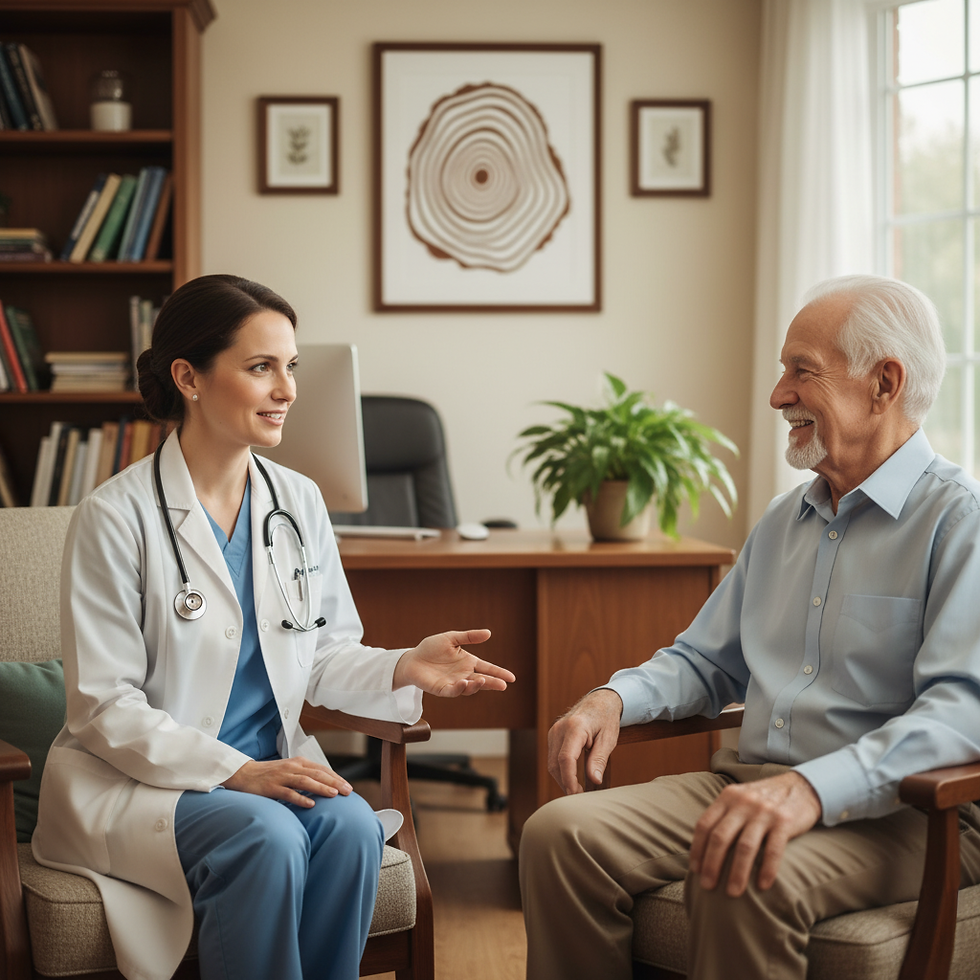
The move from hospital to home often leaves patients in a difficult situation between intensive hospital care and being completely independent. Skilled nursing facilities help bridge this important gap.
Managing the Transition Period
Skilled nursing facilities help during the time when patients still need medical care but don't need to stay in the hospital. This includes:
Monitoring medications and adjusting as needed
Providing wound care and infection prevention
Supporting nutrition needs during healing
Preventing complications through proper care procedures
Monitoring for problems like blood clots or pneumonia
Coordinating with specialists for ongoing care
The period immediately after hospitalization is when complications may be more likely to occur. Having medical professionals available can help identify problems early.
Building Independence Gradually
Instead of expecting patients to manage everything immediately, skilled nursing facilities help people progress through stages:
Stabilization: Ensuring medical condition is stable and completing assessments
Active Treatment: Participating in therapy and rebuilding skills
Practice Phase: Trying more independence with professional support
Discharge Preparation: Testing readiness for home and finalizing plans
Each stage has specific goals, and progress is measured regularly. Plans are adjusted based on how well someone is recovering.
Making the Right Choice for Your Family
Families should consider several factors when choosing rehabilitation options:
Medical Complexity Assessment
People with multiple health problems, many medications, or recent major surgery may benefit more from skilled nursing environments. Good facilities should:
Have experience with your specific medical condition
Follow proper safety and care procedures
Be able to respond to emergencies quickly
Have good relationships with local hospitals
Maintain appropriate staffing levels
Provide clear communication about care plans
Understanding Coverage and Costs
Medicare covers up to 100 days of skilled nursing facility care per benefit period. The first 20 days are fully covered, and days 21-100 require coinsurance payments. The daily coinsurance amount for days 21-100 is $209.50 in 2025.
Some supplemental insurance policies help cover these costs. It's important to understand your insurance coverage before making decisions about care.
Family Involvement Considerations
While family involvement helps recovery, skilled nursing facilities allow families to focus on emotional support rather than complex medical care tasks.
Family members can visit regularly, participate in therapy sessions, and learn about ongoing care needs without being responsible for daily medical management.
Frequently Asked Questions
How long do people typically stay in skilled nursing facilities?
Stay length varies based on individual needs and progress. Medicare covers up to 100 days when medically necessary. Some people recover quickly and go home sooner, while others with complex conditions may need longer rehabilitation periods.
What types of therapy do skilled nursing facilities offer?
Most facilities provide physical therapy, occupational therapy, and speech therapy with specialized equipment. Therapists help rebuild strength, relearn daily activities, and address communication or swallowing problems. Some facilities may also offer additional specialized services.
Can family members visit during rehabilitation?
Yes, most facilities encourage family visits and maintain visiting hours. Many also provide family education to help relatives understand the recovery process and learn how to support continued progress at home.
How do facilities coordinate with personal doctors?
Facilities communicate with personal doctors and often have medical providers who visit regularly to oversee care. This coordination helps ensure that all of a patient's healthcare providers are working together toward the same goals.
What happens if someone needs hospital care during rehabilitation?
Skilled nursing facilities have procedures for recognizing medical emergencies and arranging hospital transfers when needed. Better staffing helps identify problems early. Most facilities have relationships with nearby hospitals to ensure smooth transfers if necessary.
Final Thoughts
Home-based rehabilitation may work for simpler recoveries, but complex medical situations often benefit from the comprehensive resources that skilled nursing facilities provide.
The combination of 24-hour medical supervision, structured therapy programs, professional equipment, and coordinated care teams can support successful recovery.
Families in the Myrtle Beach area looking for rehabilitation care should consider how skilled nursing facilities might provide the professional expertise and comprehensive support needed during challenging recovery periods.
If you or a loved one needs rehabilitation after a hospital stay, Angel Oak Nursing & Rehabilitation is here to help.
Our skilled nursing professionals Myrtle Beach provide 24/7 medical care and comprehensive therapy programs to support your recovery journey.
Contact Angel Oak today at (843) 293-1137 to schedule a tour and learn how our experienced team can help you get back to living your best life.

Comments